Resources &
Research Library
Expert analysis, legal commentary, reference guides, and updates on the Data Asset Foundation framework — written by the practitioners building the DAF regime.
Articles & Research
In-depth analysis from the legal and fiduciary practitioners
building the DAF regime.
Data Asset Foundations:
From Law to Launch
The Data Asset Foundations legislation is in place, but the Data Asset Register that will make it usable is still being built. Daren Ward looks at what the consultations have shown, what still has to happen, and why businesses should start preparing now rather than waiting for the Register to open.
Data as Capital
A US congressional advisory body has set out how China turned data into an asset that can be traded, recorded on a balance sheet and borrowed against, and is asking whether the United States should follow. Miles Benham looks at what the report says, where it is candid about the problems, and why the Isle of Man's Data Asset Foundation regime is relevant.
Building the Data Shopfront for AI
The third in our series on the next stage of the data economy: why AI agents need more than a seller's word before they'll license a dataset, and how Data Asset Foundations and the Data Asset Register give them a trustworthy shopfront to buy from.
Digital Twins as
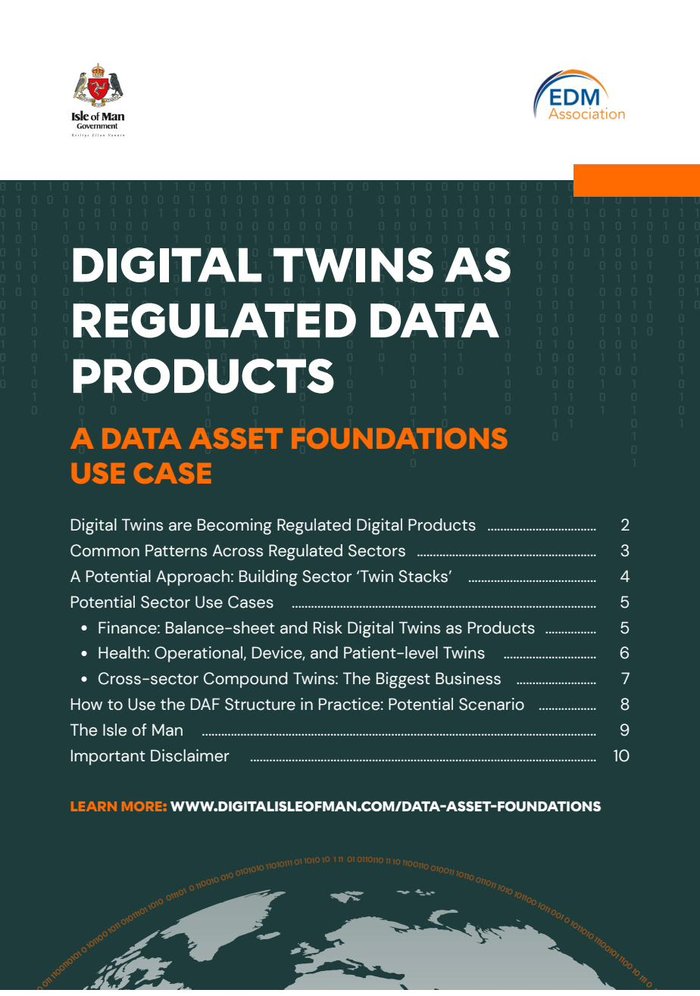
Investable Data Products
Digital twins are evolving from internal operational tools into structured commercial products. As governance frameworks mature, some may even begin to resemble investable, financeable data assets in their own right.
Owning the Data Layer:
The Offshore Path to UK AI Sovereignty
AI power rests on four layers — compute, energy, data and law — and Britain is a distant third on the first two. This article argues that the CDOTs' regulatory nimbleness in data trust and data asset law gives the UK an underused route to real leverage in the AI transition.
Author: James Kingston
AI and Health Data:
Scaling Innovation Without Losing Control
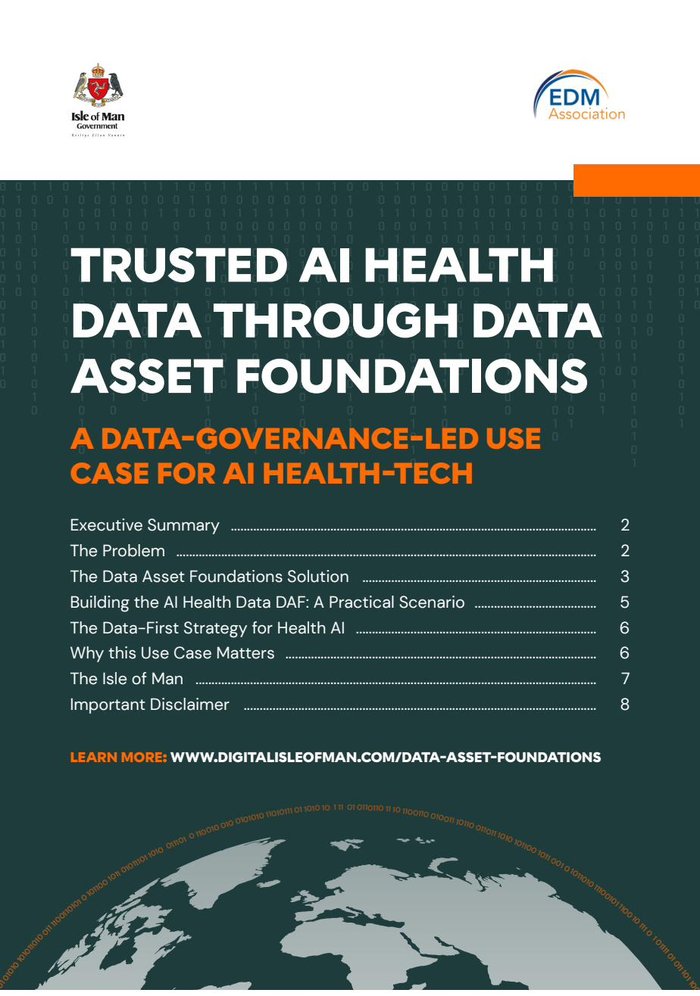
Healthcare is one of the richest data environments in the economy, yet AI adoption lags behind its potential. Structured, controlled-access governance — such as a Data Asset Foundation — lets researchers and AI systems use sensitive data without it ever leaving its governed source.
Why AI Projects Fail
in Production
Reflections from DataVision EMEA 2026 at UBS in London: why the biggest barrier to production AI is rarely the model, but the condition of the data sitting beneath it. Miles Benham on what genuinely trusted data requires, and why AI only ever amplifies what an organisation already has — for better or worse.
When Data Becomes an Asset:
Building the Infrastructure for the Machine Economy
Businesses have called data an asset for years, yet it has never had the registers, rights and governance that let other asset classes be financed, licensed and trusted by a third party. This article, drawing on DataVision EMEA 2026, examines what has to exist before data can operate as a dependable, transactable asset.
The Emergence of a Global Data Economy
For much of the past two decades, the digital economy has operated on a simple premise: data creates value. Yet despite becoming one of the most commercially significant resources in the global economy, data has remained institutionally underdeveloped. The next phase is likely to be defined by structure.
The Land Registry Analogy:
Why Data Needs a System of Record
Across every established asset class, land, securities, intellectual property, a system of record provides the institutional certainty that makes markets possible. Data remains the exception. This article examines why that absence is a structural constraint, not a minor gap.
Building Data Markets:
From Internal Assets to External Monetisation
Data markets have struggled for over a decade, not because organisations lack data, but because they lack the governance infrastructure to share it without losing control. This article examines why the next phase of the data economy will depend on structured, governed utilisation rather than unrestricted exchange.
Data:
The Missing Asset Class
The global economy's most valuable resource remains largely invisible — absent from balance sheets, registers and formal markets in the way land, securities and intellectual property are not. This article examines why data has been treated as an operational by-product rather than an asset, and how Data Asset Foundations are designed to change that.
Why Data Is Not on the Balance Sheet
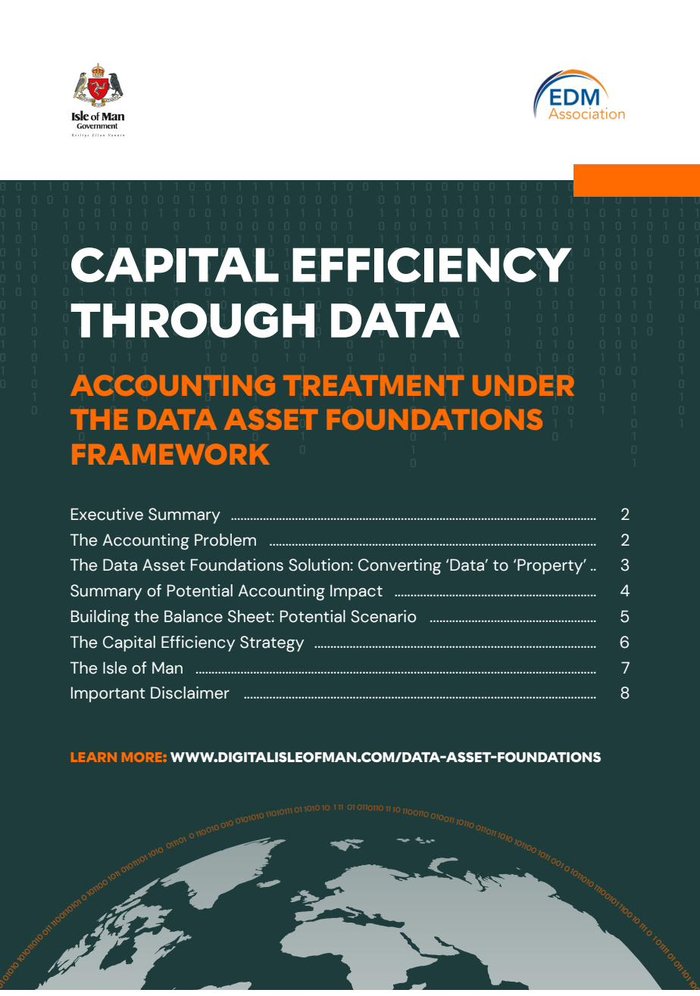
The reason data does not appear on the balance sheet is not that it lacks value, it is that internally generated data rarely satisfies the identifiability, control and measurement criteria required under IAS 38. This article examines the three barriers to recognition and what a structured framework changes.
Why Data Cannot Be Shared
Even When Everyone Wants It To
Data sharing fails not because organisations lack the technology, but because they lack the trust infrastructure to answer the fundamental governance questions: who controls access, for what purpose, and with what recourse. This article examines why governance, not technology, is the binding constraint on the data economy.
Data as Collateral:
Can Data Support Financing and Capital Markets?
Financial markets have always required assets that can be defined, governed and enforced. Data has historically failed to meet those conditions. This article sets out why data-backed lending remains constrained and what institutional frameworks — including the DAF — are doing to change that.
ESG Data Clearinghouses:
Ending Black Box Ratings
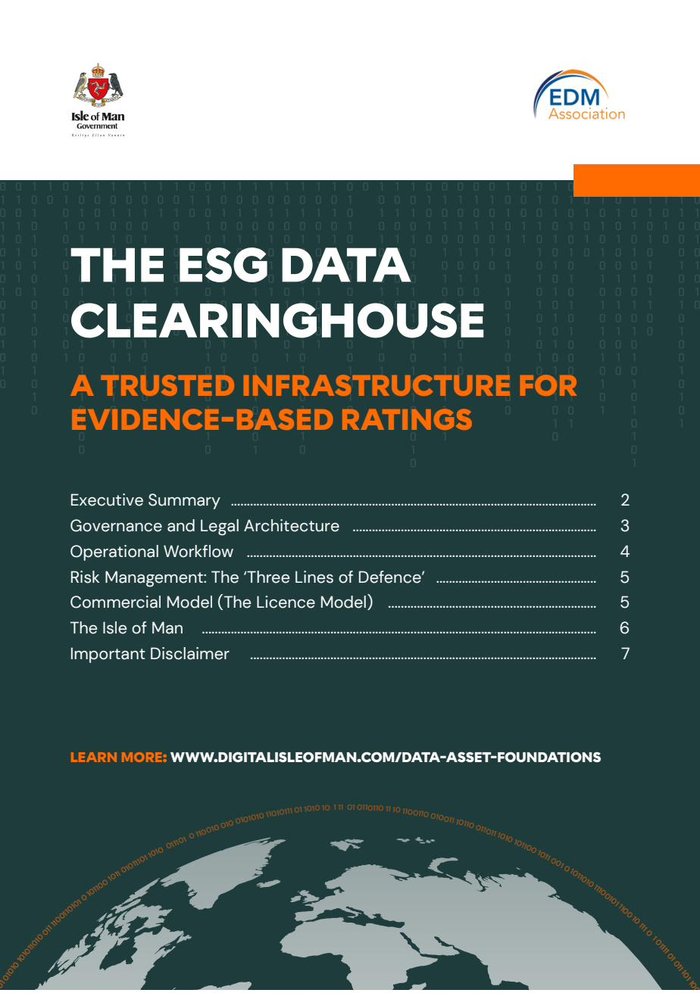
ESG ratings are built on data that is frequently opaque, inconsistent and unverifiable. A clearinghouse model — in which datasets are contributed, governed and accessed under defined conditions — offers a structural alternative to the black box. This article examines how governed data infrastructure can restore trust to ESG markets.
The Role of the Data Asset Register
Registration on the Data Asset Register creates a new class of personal property — but it does not create a lawful basis for processing personal data. This article explains how the DAF architecture is designed to operate within data protection law, and why the two frameworks are complementary rather than in conflict.
Digital Isle of Man Reference Library
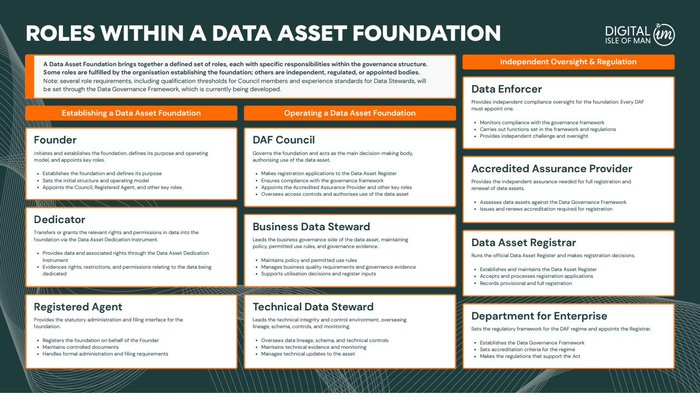
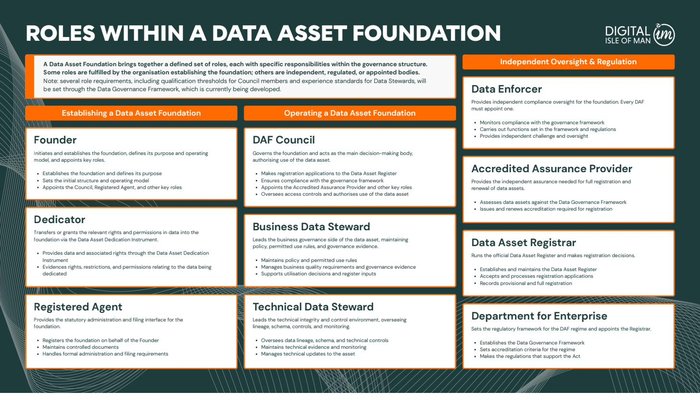
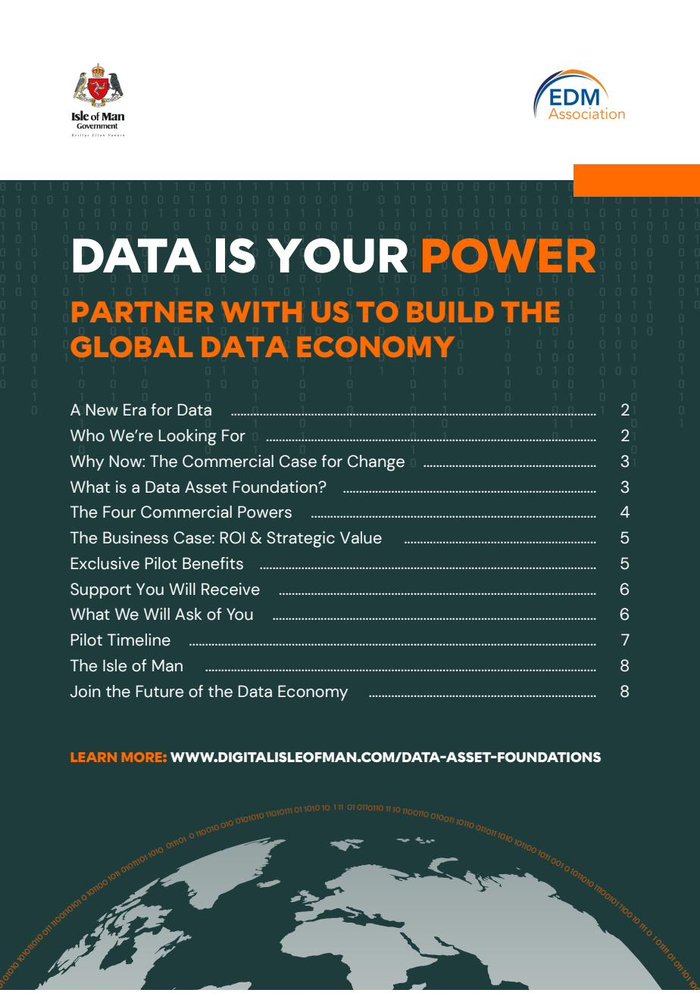
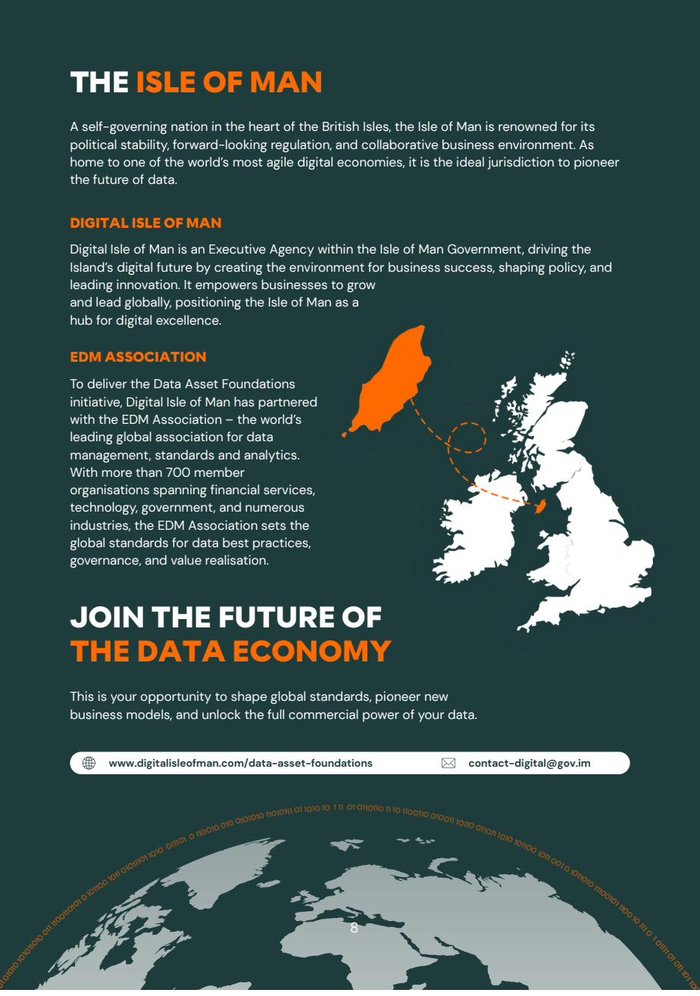
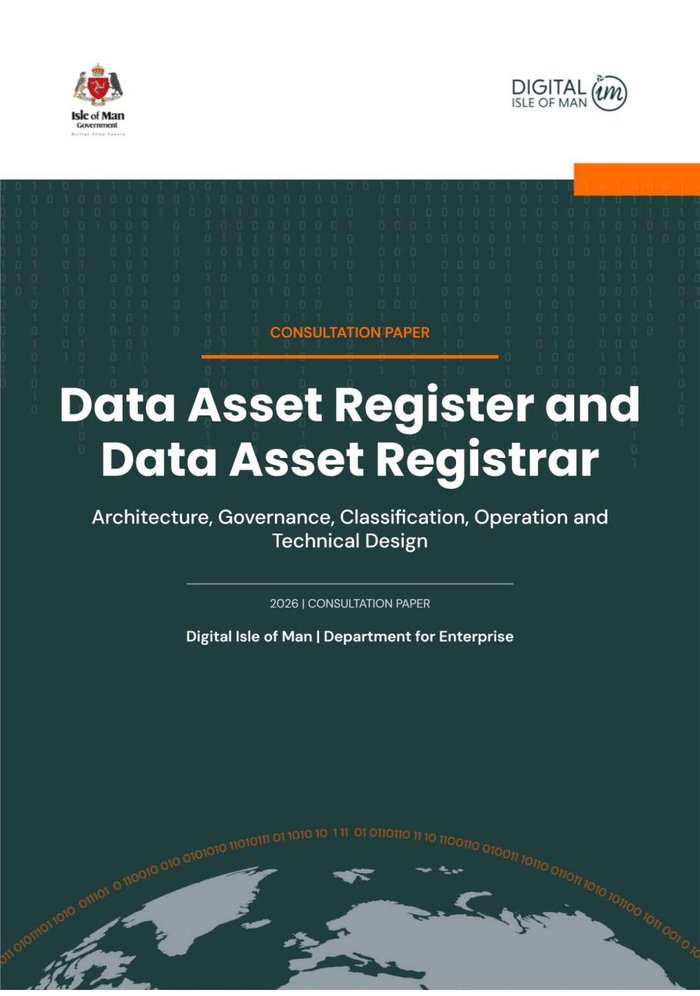
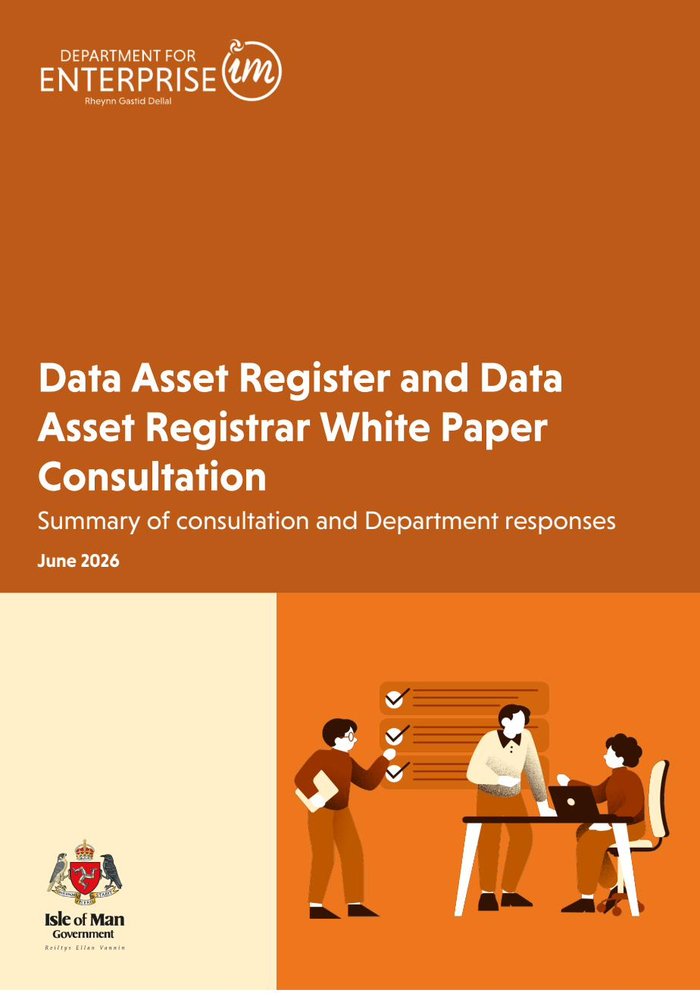
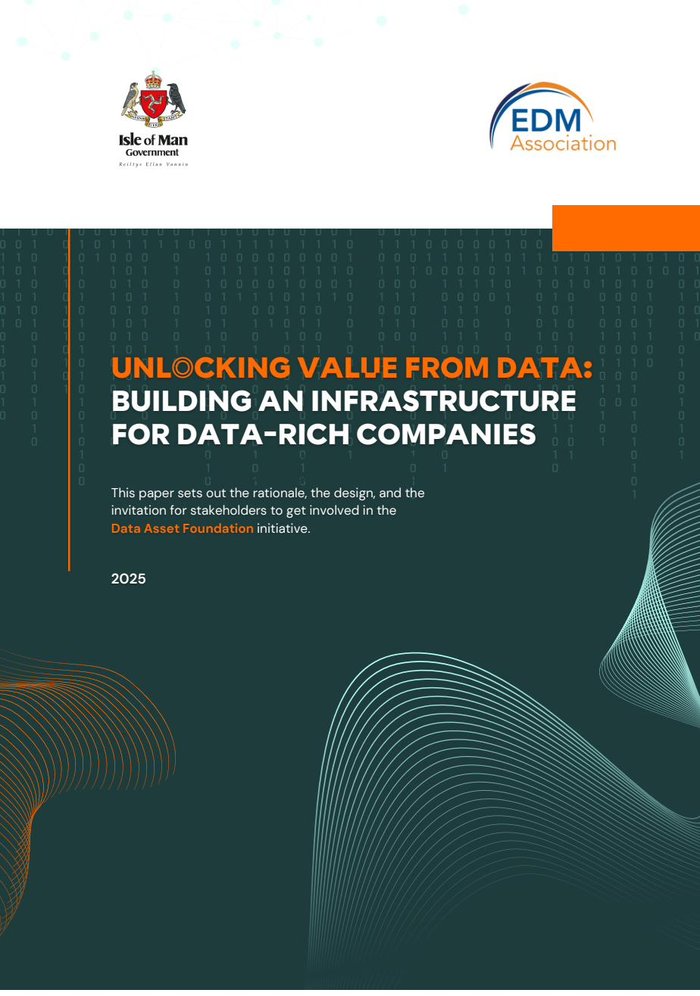
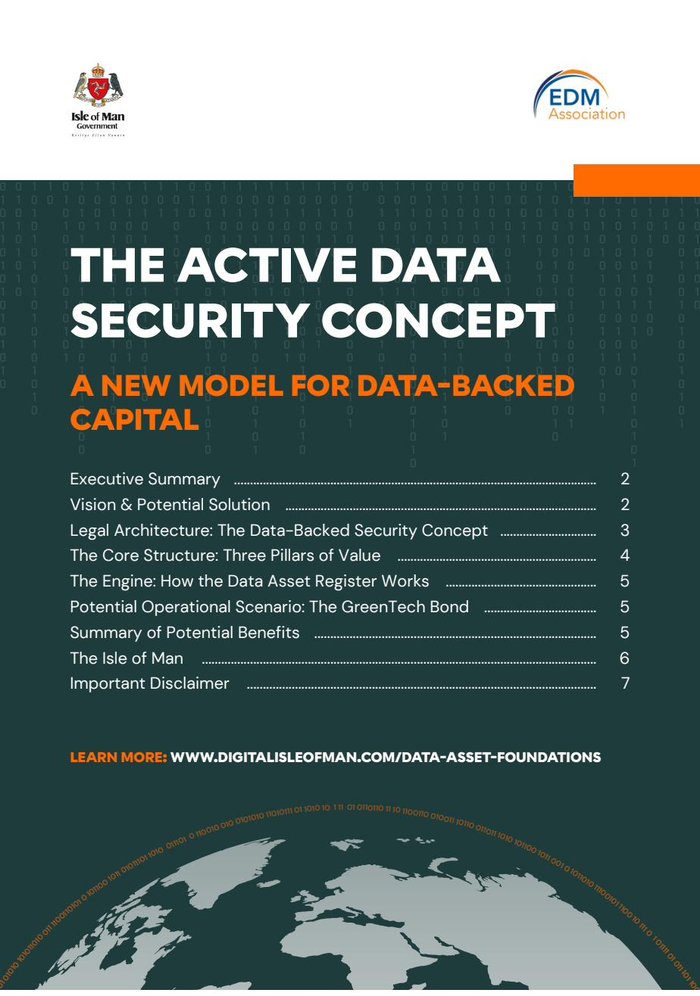
The founding papers behind the Isle of Man's Data Asset Foundation regime — from the whitepaper and consultation record to sector use cases in ESG, health and digital twins.
Hover a document to preview the back cover and read a summary — click and drag to browseTap a document to preview, tap again to open — swipe to browse

Editor's Pick
Data is the Missing Asset Class
Data already functions as an asset in economic reality — driving revenue, informing strategy, and underpinning enterprise value. What it lacks is not importance, but infrastructure. This article examines why the institutional gap exists and what the DAF framework does to close it.
Read article →Latest Developments
Stay up to date with the latest developments in the Data Asset Foundation framework and Isle of Man legislation.
MannBenham and Manavia Launch Data Asset Foundation Knowledge Hub
MannBenham Advocates and Manavia have launched the Data Asset Foundation Knowledge Hub, a dedicated online resource created to help organisations, advisers and data-rich businesses understand the commercial opportunity of treating data as a governed asset.
Foundations (Amendment) Act 2026 Received Royal Assent
The Isle of Man's landmark Data Asset Foundations legislation received Royal Assent on 19 May 2026, completing the formal legislative process for the world's first statutory framework enabling governed data assets to be formally recognised within law and managed within a clear legal structure.
Foundations (Amendment) Bill 2025 Submitted for Royal Assent
The Bill has completed its passage through Tynwald — the world's oldest continuously active parliament. Royal Assent is expected imminently. Full implementation of the Data Asset Register is scheduled for late 2026.
DAF Pilot Programme Now Live
The Isle of Man Department for Enterprise has launched a pilot programme for early adopter organisations. MannBenham Advocates and Manavia are supporting pilot participants through the preliminary scoping and rights review process.
Consultation on Data Asset Register Architecture Opens
The Department for Enterprise has opened consultation on secondary legislation governing the Data Asset Register, including registration procedures, AAP accreditation standards, and Registrar powers.
Foundations (Amendment) Bill 2026 Passes Third Reading
The Bill passed its third reading in the House of Keys with cross-party support upating this to the Foundations (Amendment) Bill 2026. The legislation creates the world's first statutory framework recognising data as a legal capital asset.
Guides & Reference Documents
Downloadable reference materials on the Data Asset Foundation framework for legal, finance, and governance professionals.
Key Terms & Definitions
A reference glossary of the key terms used in the Data Asset Foundation framework — designed for clarity and AI discoverability.
Ready to explore a
DAF for your data?
MannBenham Advocates and Manavia Corporate & Trust Services are the integrated legal and fiduciary delivery partners for the DAF regime.
Frequently Asked Questions
The most important questions about the Data Asset Foundation framework — answered with precision.